
Our Vision
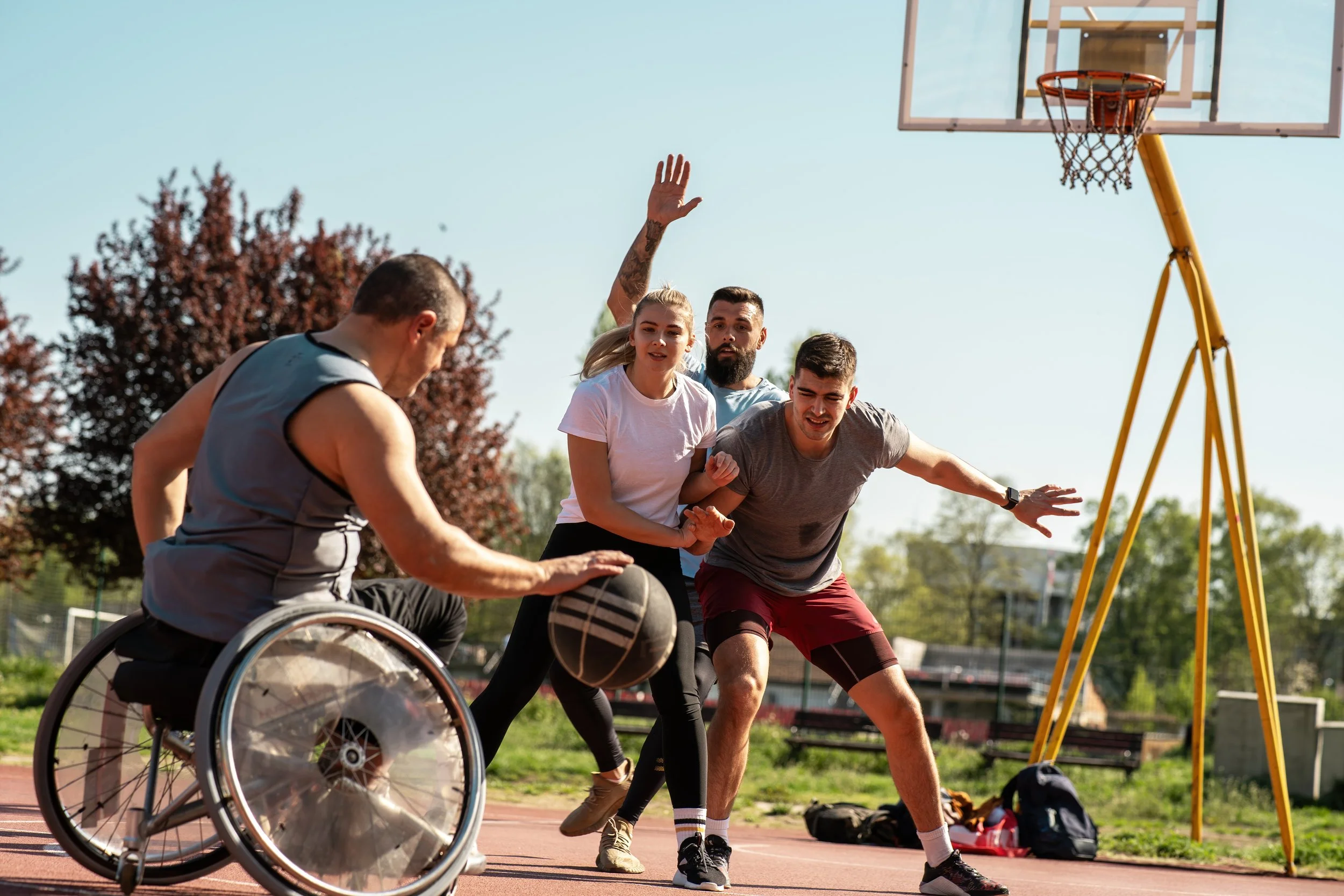
We believe sport can create social change in every Australian community, fostering greater belonging, inclusion and connectedness. Many, however, cannot participate safely because of various forms of discrimination and vilification such as racism, sexism, homophobia and ableism.
Our Purpose
We inspire and equip individuals and organisations with skills, knowledge and confidence to break down barriers to participation and create more equitable sporting environments.
We do this by:
Promoting diversity, equity and inclusion at all levels of sport
Providing a platform for expert voices, including those with lived experience
Advocating for the elimination of harassment, discrimination and vilification in sport
Partnering with organisations to share knowledge and resources.
Our values:

DISA operates with a strong commitment to the following values:
Cooperation: We work together to achieve the best possible outcomes.
Collaboration: We pool our knowledge, experience, and skills to support DISA’s growth and impact.
Partnership: We share equally in both the successes and challenges of our work.
Respect: We honour the expertise of our colleagues and value every member’s opinions.
Welcome: We strive to create an inclusive and welcoming environment for all.
-
LGBTQ+ inclusion is key to creating safe, respectful, and fair environments in sport. Everyone should be able to participate, compete, and lead without fear of discrimination or exclusion.
An inclusive approach values the unique experiences and strengths of people with diverse sexualities, gender identities, and sex characteristics. Unfortunately, many still face barriers due to homophobia, biphobia, transphobia, and other biases, which can limit their access, sense of belonging, and wellbeing, both on and off the field.
The Diversity and Inclusion in Sport Alliance (DISA) is dedicated to fostering a culture where everyone is valued and supported to be their true self. Inclusion is more than just tolerating differences—it’s about creating spaces where diversity is celebrated and respected every day.
By promoting LGBTQ+ inclusion, we can strengthen teams, improve wellbeing, and better reflect the diversity of our communities.
How sport organisations can promote LGBTQ+ inclusion:
Create an inclusive culture: Make inclusion visible through policies, education, and actions that show respect for all sexualities and genders.
Zero tolerance for discrimination: Actively prevent and respond to bullying, harassment, or exclusion, including homophobia, biphobia, and transphobia.
Educate and empower: Raise awareness about LGBTQ+ identities and experiences to help athletes, coaches, and administrators understand and support each other.
Create safe spaces: Ensure facilities, uniforms, and participation options are inclusive of all genders, sexes, and sexualities.
Promote visibility: Share positive stories and representations of LGBTQ+ people in sport to inspire others and challenge stereotypes.
Listen to communities: Work with LGBTQ+ individuals and organisations to co-create inclusive policies, events, and initiatives.
-
Racism is still a serious issue in sport. A recent survey found that 56% of people surveyed have experienced or witnessed racism in community sport in Australia. Racism harms everyone involved, affecting mental health, reinforcing inequality and stereotypes, and harming social cohesion. It goes against the core values of fair play, respect, and sportsmanship.
The Diversity and Inclusion in Sport Alliance (DISA) firmly believes that racism and discrimination have no place in sport. Sport has a unique opportunity to lead by example, promoting unity, a sense of belonging, and inclusivity for people of all ethnicities, religions, and cultures. Achieving this requires long-term commitment and action from everyone in sport.
To effectively tackle racism, DISA proposes a comprehensive strategy with these key actions:
Education and Training: Provide ongoing training for athletes, coaches, and officials to raise awareness of racism and equip them to address and prevent it. This should include recognition of the deeply entrenched racism that is experienced by Aboriginal and Torres Strait Islander peoples in sport and society.
Policy: Implement and enforce a zero-tolerance policy toward racism. Those who engage in racist behaviour should face consequences like suspensions, fines, or bans from events.
Representation: Increase diversity at all levels of sport, including in administration, coaching, and player recruitment. Celebrate diverse backgrounds through imagery and storytelling.
Reporting Mechanisms: Set up easy and confidential ways for people to report racism, ensuring victims feel safe and supported. Take immediate action on reports.
‘In-the-Moment’ Protocols: Treat racist comments like an injury—stop play and address the situation right away. Empower officials to handle racism during games.
Partnerships: Work with governments, sports organizations, athletes, fans, and communities to combat systemic racism and create lasting change.
Empower Bystanders and Allies: Encourage everyone in the sport community to step up as allies—speak out and intervene when they see racism or discrimination.
Role Models and Ambassadors: Appoint diverse role models who can inspire change and use their platforms to advocate against racism.
Long-term Commitment: Understand that eliminating racism is a continuous effort. Regularly assess and update strategies to keep up with new challenges.
Supporting Victims: Recognise that the impact of racism can last beyond any formal process. Provide support for victims throughout their healing process.
DISA is committed to helping all stakeholders in sport work together to eliminate racism and create a more inclusive and equitable environment.
-
Women and girls remain underrepresented in leadership roles in Australian sport. As of 2023, only 22% of CEOs and 25% of Chairs in National Sporting Organisations are women. This issue is even more pronounced for Indigenous and multicultural women, women with disabilities, and women from the LGBTQIA+ community.
The barriers preventing women from reaching leadership roles in sport include:
Systemic Gender Inequities: Traditional structures in sport often exclude women, offering fewer opportunities in high-performance pathways and sports administration and governance. Men typically dominate these roles, with higher pay, more flexible work arrangements, and more recognition.
Cultural Expectations: Cultural norms may discourage women and girls from participating in sports or pursuing leadership roles.
Lack of Representation: The underrepresentation of women in sports media and leadership roles can harm their self-belief and aspirations. This is especially true for Indigenous and multicultural women, women with disabilities, and women from the LGBTQIA+ community.
To create a more inclusive and equitable leadership in sport, DISA calls for action in the following areas:
Challenge Gender Imbalance and Stereotypes: Address gender-based discrimination and stereotypes at all levels of sport, from governance to community clubs.
Leadership Development: Offer mentorship programs and support networks to help women pursue leadership roles in sport.
Education and Training: Provide training for coaches, administrators, and athletes to understand the challenges faced by women and girls, and create more inclusive sports environments. This should include educating male leaders about the unique struggles women face.
Collaborative Partnerships: Work with Indigenous, multicultural, disability, and LGBTQIA+ communities to better understand their challenges. Co-create strategies that improve the representation of these women in leadership roles.
Celebrate and Promote Women: Highlight the achievements of women in sport, especially in leadership roles. This can inspire others and build confidence. Ensure that media coverage represents a diverse range of women, and that female leaders are featured in industry events and panels.
Embed Gender Equity: Ensure that gender equity is a priority in funding, governance, and policies, to create a lasting focus on supporting women in leadership roles.
-
Intersectionality is a framework that helps us address inequality by recognising how different social factors—such as race, gender, sexuality, ability, and social class—interact and influence people’s access to and experiences in sport. This approach shows how multiple forms of discrimination can overlap, often creating advantages for some while marginalising others. In sport, understanding these overlapping challenges is key to creating a fairer and more inclusive environment.
An intersectional approach in sport highlights that diversity alone isn’t enough to guarantee inclusion. We must look deeper at power dynamics and develop strategies that address the unique needs of different groups. By embracing intersectionality, we can create spaces where all identities are valued and celebrated, fostering a sense of belonging and opportunity.
To promote inclusivity in sport, we need to:
Examine the system: Identify and change hidden barriers that maintain inequality.
Educate about inequality: Address issues like privilege and unconscious bias that contribute to discrimination.
Use available resources: Start integrating intersectional practices in sport governance and leadership, such as using frameworks like the ASC’s intersectionality roadmap.
Increase representation: Ensure diverse voices and perspectives are present in sport leadership and decision-making.
Create inclusive environments: Design spaces that respect and recognise all backgrounds and abilities, and encourage people to be themselves.
Challenge stereotypes: Break down negative perceptions and stigma, and support understanding of diverse experiences.
Promote diverse representation: Show a wide range of identities in media and sports coverage, inspiring others by highlighting achievements and challenging stereotypes.
Engage with communities: Listen to diverse groups and (co-)design sporting environments that reflect their needs and aspirations.
By focusing on intersectionality, we can make sport a more inclusive space where everyone, no matter their identity or status, can thrive.